Bringing STEAM to the Classroom: A Guide for Modern Educators
Bringing STEAM to the Classroom: A Guide for Modern Educators
 ignite
 The traditional boundaries between subjects are fading. In the modern workforce, a mathematician needs to be a creative problem solver, and an artist often needs to understand the digital tools of technology. This is the heart of STEAM (Science, Technology, Engineering, Arts, and Mathematics).
As educators, our goal is no longer just to help students memorize facts, but to equip them with the critical thinking and interdisciplinary skills they need to navigate an increasingly complex world.
Why the “A” in STEAM Matters
For years, STEM was the gold standard. However, the integration of the Arts is what truly unlocks a student’s potential. Adding the “A” encourages:
Practical Strategies to Implement STEAM
Transitioning to a STEAM-focused curriculum doesn’t require a total overhaul of your lesson plans. It starts with small, intentional shifts.
1. Embrace Project-Based Learning (PBL)
Move away from rote worksheets and toward real-world problems.Example: Instead of just teaching about circuits, ask students to design and build a “Smart City” model that uses sensors to save energy. This involves physics (Science), wiring (Engineering), and urban aesthetics (Arts).
2. Focus on the “Process,” Not the “Product”
In a STEAM classroom, failure is a data point, not a dead end. Encourage students to keep “Inventor Logs” where they document their iterations. This fosters a growth mindset and teaches them that the path to a solution is rarely a straight line.
3. Utilize Cross-Curricular Collaboration
If you are a Science teacher, team up with the Art or Music teacher for a week.
Math + Art: Use geometry and symmetry to create intricate tessellations or digital 3D models.
Science + Music: Explore the physics of sound waves by building instruments.
The Role of the Modern Educator
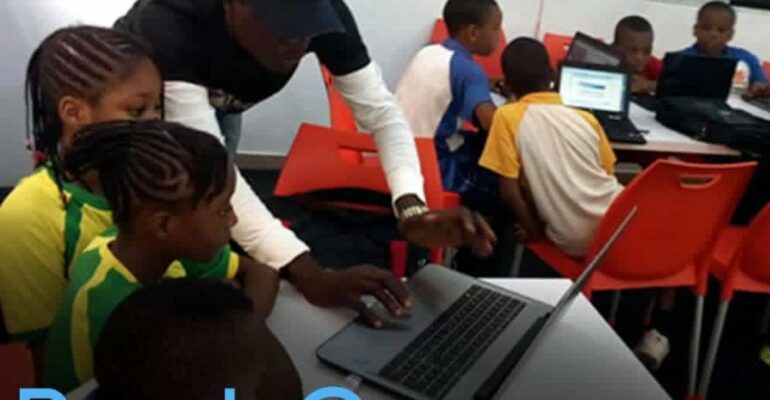
Your role is shifting from the “Sage on the Stage” to the “Guide on the Side.” Bringing STEAM into your classroom means being a co-explorer with your students. You don’t need to have all the answers; you just need to ask the right questions.
Ready to transform your classroom? At [Company Name], we specialize in providing the curriculum and tools needed to make STEAM education accessible, fun, and impactful for kids of all ages.